Aquatic Animal Math Counters | 84-Piece Sorting & Counting Set
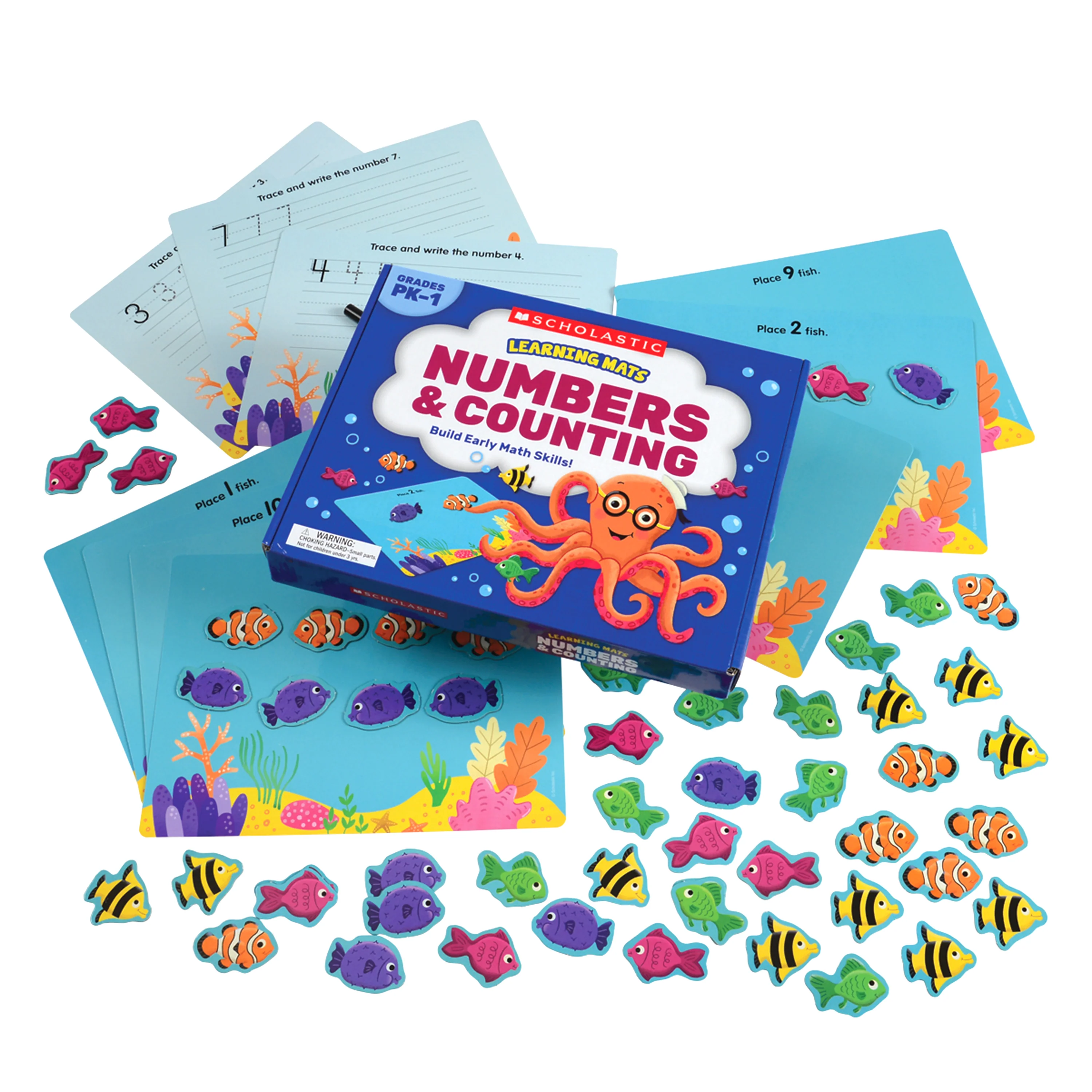
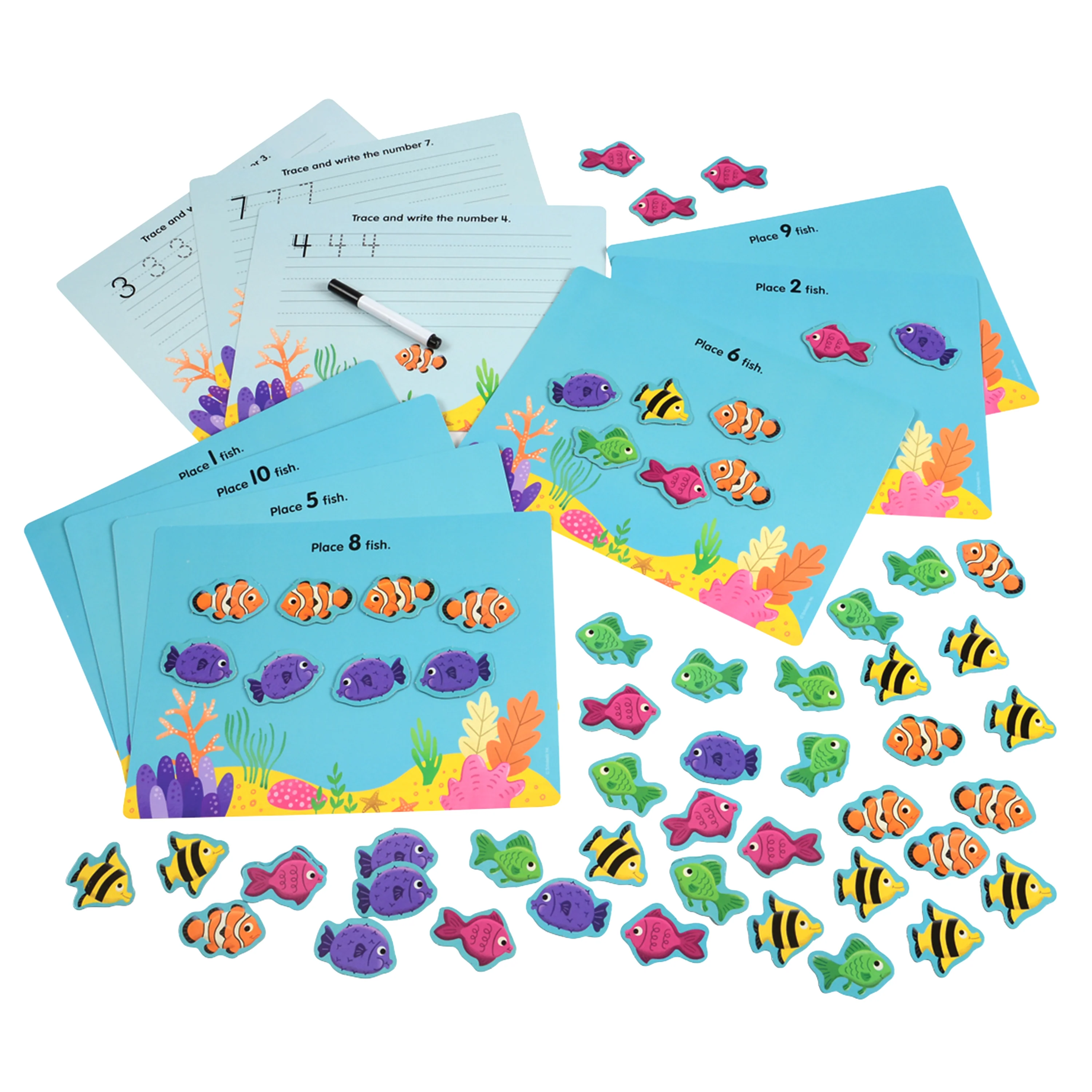
Make early math lessons fun, engaging, and hands-on with the Aquatic Animal Math Counters—a versatile 84-piece set designed specifically for young learners in preschool and early elementary classrooms. These colorful marine-themed counters help children build foundational math skills while exploring the wonders of ocean life. Each set includes 14 different aquatic animals such as whales, penguins, stingrays, octopuses, turtles, dolphins, sharks, crabs, lobsters, seals, and more. The counters come in 6 vibrant colors to visually stimulate young minds and support a variety of learning activities.
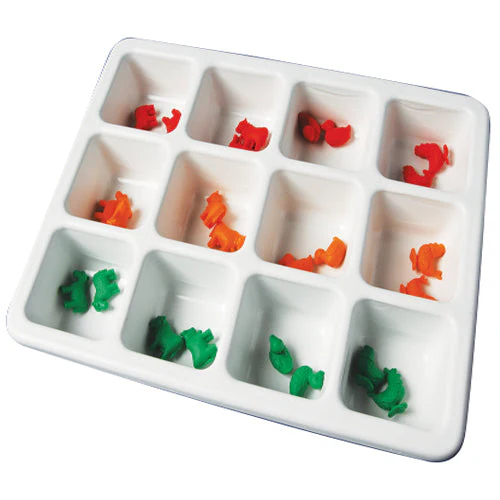
Perfectly sized for small hands, these durable plastic counters are ideal for counting, sorting, classifying, making patterns, and teaching early math concepts like addition, subtraction, and even basic multiplication. Beyond math, these manipulatives are an excellent resource for introducing children to marine biology and sparking discussions about aquatic ecosystems.
Great for individual work, small group centers, or whole-class instruction, the Aquatic Animal Math Counters are built for daily classroom use and are easily cleaned with mild soap and water. Suitable for children ages 3 and up, this set combines academic skill-building with imaginative exploration—making it a must-have tool for any early education setting focused on interactive, cross-curricular learning.
Make early math lessons fun, engaging, and hands-on with the Aquatic Animal Math Counters—a versatile 84-piece set designed specifically for young learners in preschool and early elementary classrooms. These colorful marine-themed counters help children build foundational math skills while exploring the wonders of ocean life. Each set includes 14 different aquatic animals such as whales, penguins, stingrays, octopuses, turtles, dolphins, sharks, crabs, lobsters, seals, and more. The counters come in 6 vibrant colors to visually stimulate young minds and support a variety of learning activities.
Perfectly sized for small hands, these durable plastic counters are ideal for counting, sorting, classifying, making patterns, and teaching early math concepts like addition, subtraction, and even basic multiplication. Beyond math, these manipulatives are an excellent resource for introducing children to marine biology and sparking discussions about aquatic ecosystems.
Great for individual work, small group centers, or whole-class instruction, the Aquatic Animal Math Counters are built for daily classroom use and are easily cleaned with mild soap and water. Suitable for children ages 3 and up, this set combines academic skill-building with imaginative exploration—making it a must-have tool for any early education setting focused on interactive, cross-curricular learning.
Description
Make early math lessons fun, engaging, and hands-on with the Aquatic Animal Math Counters—a versatile 84-piece set designed specifically for young learners in preschool and early elementary classrooms. These colorful marine-themed counters help children build foundational math skills while exploring the wonders of ocean life. Each set includes 14 different aquatic animals such as whales, penguins, stingrays, octopuses, turtles, dolphins, sharks, crabs, lobsters, seals, and more. The counters come in 6 vibrant colors to visually stimulate young minds and support a variety of learning activities.
Perfectly sized for small hands, these durable plastic counters are ideal for counting, sorting, classifying, making patterns, and teaching early math concepts like addition, subtraction, and even basic multiplication. Beyond math, these manipulatives are an excellent resource for introducing children to marine biology and sparking discussions about aquatic ecosystems.
Great for individual work, small group centers, or whole-class instruction, the Aquatic Animal Math Counters are built for daily classroom use and are easily cleaned with mild soap and water. Suitable for children ages 3 and up, this set combines academic skill-building with imaginative exploration—making it a must-have tool for any early education setting focused on interactive, cross-curricular learning.