Do I Have to Go To the Hospital? - Paperback
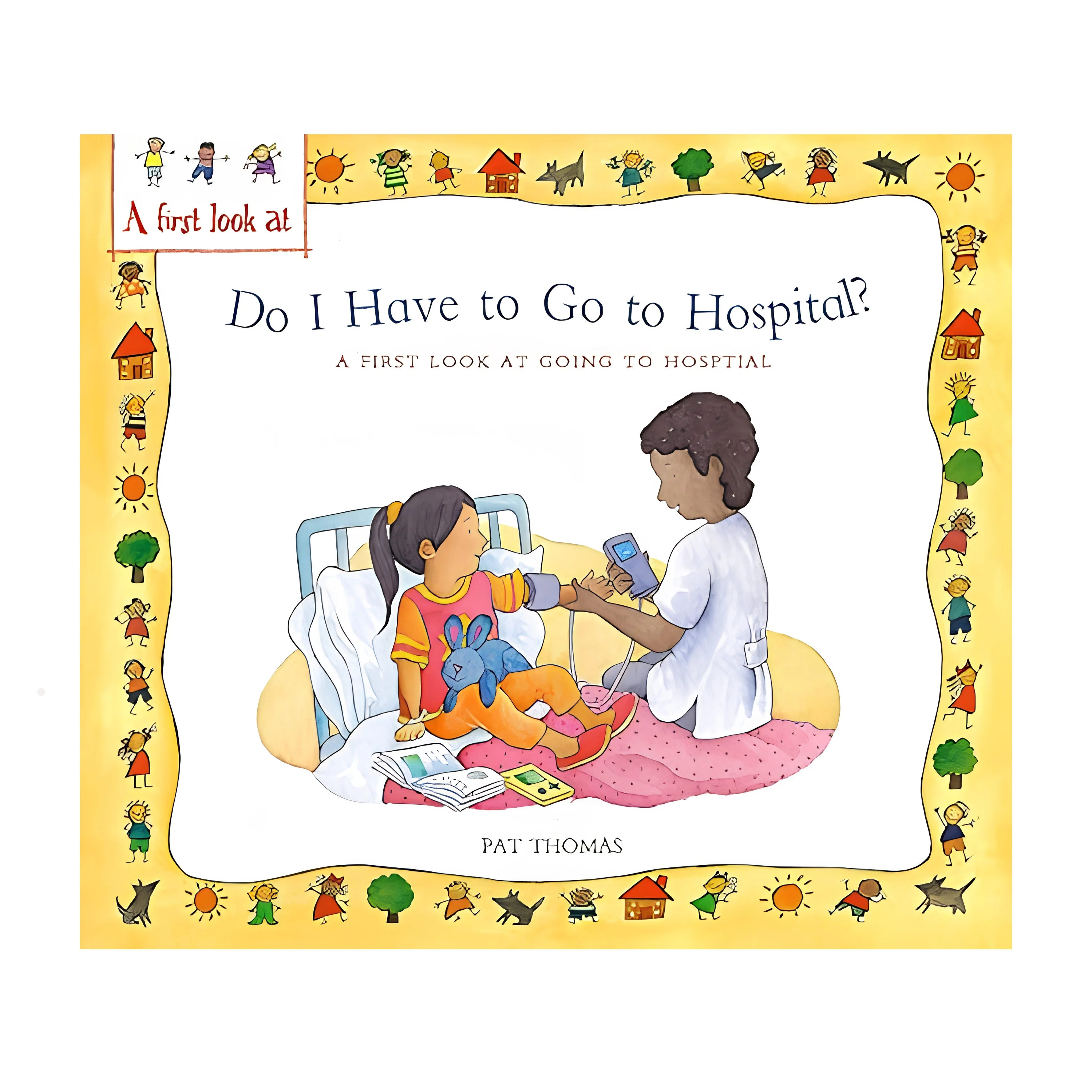
Help children feel safe, informed, and reassured about hospital visits with this thoughtful early childhood picture book written in simple, comforting language, this engaging paperback book helps young learners understand what to expect when going to the hospital while encouraging healthy conversations about emotions, medical care, and unfamiliar experiences. Ideal for classrooms, counseling centers, libraries, hospitals, and home learning environments.
• Supports social-emotional learning by helping children understand feelings about hospitals, doctors, and medical care
• Encourages open conversations about fear, anxiety, wellness, empathy, and personal experiences
• Discussion prompts throughout the story help teachers, counselors, and parents guide meaningful conversations
• Clear illustrations help young children connect with emotions, routines, and real-life healthcare situations
• Perfect for classroom SEL lessons, calm corners, counseling offices, healthcare units, and family reading time
Written by Pat Thomas, a trained psychotherapist, journalist, and parent, this reassuring hardcover book is designed for children ages 4–8 and supports emotional development, communication skills, and confidence during new experiences. A valuable resource for early childhood classrooms, social-emotional learning programs, and family support discussions.
Help children feel safe, informed, and reassured about hospital visits with this thoughtful early childhood picture book written in simple, comforting language, this engaging paperback book helps young learners understand what to expect when going to the hospital while encouraging healthy conversations about emotions, medical care, and unfamiliar experiences. Ideal for classrooms, counseling centers, libraries, hospitals, and home learning environments.
• Supports social-emotional learning by helping children understand feelings about hospitals, doctors, and medical care
• Encourages open conversations about fear, anxiety, wellness, empathy, and personal experiences
• Discussion prompts throughout the story help teachers, counselors, and parents guide meaningful conversations
• Clear illustrations help young children connect with emotions, routines, and real-life healthcare situations
• Perfect for classroom SEL lessons, calm corners, counseling offices, healthcare units, and family reading time
Written by Pat Thomas, a trained psychotherapist, journalist, and parent, this reassuring hardcover book is designed for children ages 4–8 and supports emotional development, communication skills, and confidence during new experiences. A valuable resource for early childhood classrooms, social-emotional learning programs, and family support discussions.
Original: $7.99
-65%$7.99
$2.80Description
Help children feel safe, informed, and reassured about hospital visits with this thoughtful early childhood picture book written in simple, comforting language, this engaging paperback book helps young learners understand what to expect when going to the hospital while encouraging healthy conversations about emotions, medical care, and unfamiliar experiences. Ideal for classrooms, counseling centers, libraries, hospitals, and home learning environments.
• Supports social-emotional learning by helping children understand feelings about hospitals, doctors, and medical care
• Encourages open conversations about fear, anxiety, wellness, empathy, and personal experiences
• Discussion prompts throughout the story help teachers, counselors, and parents guide meaningful conversations
• Clear illustrations help young children connect with emotions, routines, and real-life healthcare situations
• Perfect for classroom SEL lessons, calm corners, counseling offices, healthcare units, and family reading time
Written by Pat Thomas, a trained psychotherapist, journalist, and parent, this reassuring hardcover book is designed for children ages 4–8 and supports emotional development, communication skills, and confidence during new experiences. A valuable resource for early childhood classrooms, social-emotional learning programs, and family support discussions.